Mobile search results changed completely in early 2025. Now products ranked first on Google get fewer clicks than products at third place. Meanwhile, D2C brands see traffic drops even with unchanged rankings.
Google added AI Overviews for product searches. When these summaries show up, clicks to websites fell from 20% to 7% on mobile. Similarly, desktop dropped even harder, going from 13% to under 5%. As a result, online stores lost half their mobile traffic despite keeping top rankings.
D2C brands selling on their own sites felt this the most. First, product descriptions often get cut off on phones. Then, prices compete with Google Shopping boxes. Additionally, titles clash with star ratings and AI answers. Ultimately, how your listing looks on mobile decides if people click or scroll past.
Why Schema Markup Helps Mobile
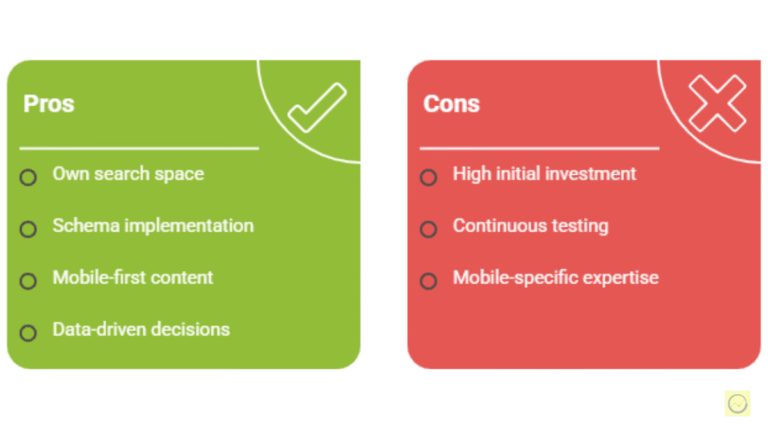
Product schema for mobile search works great. This code tells Google what your page has. For example, price, stock, ratings, and brand names help you get rich results.
Products with full schema show up 4.2 times more in rich snippets. So these listings get 20% to 35% more clicks than plain text listings.
You need three types of schema:
- Product schema has name, words, image, price
- AggregateRating schema has star ratings
- Review schema has what buyers say
Google’s structured data documentation shows how these work best for phone searches.
One online store added full schema. After that, their clicks went from 2.3% to 3.8% in 30 days. So that means 65% more clicks just from schema while rank stayed same.
How People Pick What to Click on Phones
Phone users look for quick signs. First, star ratings grab their eyes. Then, they check the price. Next, they look at stock. After that, they read the words.
A product at spot five with rich results beats spot one without them. Because phone screens are tiny, rich snippets take more room. So they push other results down and get more eyes.
To get your product image and price showing in phone search, you need schema. Actually, Google takes this info from your product schema. Without schema, you get plain text while others show ratings, prices, and in-stock signs.
Writing Titles for Phone Screens
Making product page meta titles for mobile keeps you visible. Titles over 55 letters get cut. So meta words must work for mobile too.
Google shows about 140 letters on mobile versus 160 on desktop. Because of this, every extra letter pushes your main points down.
Bad title:
Premium Organic Cotton T Shirts for Men Sustainable Fashion Eco Friendly Clothing Shop Now at BrandName
Good title:
Organic Cotton Tees Men’s Premium | BrandName
The bad title gets cut and hides key bits. Instead, the good one fits and shows everything.
Making Words Easy to Read
Keep words between 120 and 140 letters for mobile. Also, put your best info in the first 100 letters.
Bad Frame:
Discover our collection of premium products designed with you in mind. Shop now and experience the difference.
Good Frame:
Men’s organic cotton tees: $28. Breathable, durable, ethically made. In stock, ships today.
The good words give lots of info. First, price answers how much. Second, words like breathable and durable answer if it’s good. Third, stock answers when you get it. Finally, shipping adds a push to buy now.
People on phones pick in one second. Because your listing fights nine others and Google boxes, empty words lose clicks. According to Search Engine Land’s optimization research, sharp writing wins.
Why Fast Pages Get More Clicks
Mobile page speed and CTR link closely. Actually, pages loading under two seconds get 30% to 50% more clicks than slow ones. So Core Web Vitals help keep ecommerce mobile CTR up.
Search Console shows clear signs. Pages loading in under 1.5 seconds keep getting clicks and rank higher. Instead, pages over 3 seconds lose clicks even at the top.
One furniture store cut phone load time from 4.2 to 2.1 seconds. After that, clicks went from 3.1% to 4.3% at the same rank. So that means 38% more clicks just from speed.
Easy Steps to Speed Up Pages
Fix speed issues one by one:
- Shrink images with WebP.
- Load images only when users scroll.
- Remove code that is blocking your page.
- Turn on browser saving.
- Use a content network.
Aim for these numbers:
1. Largest Contentful Paint – Aim for a score of under 2.5 seconds.
2. First Input Delay – Keep it under 100 milliseconds.
3. Cumulative Layout Shift – Maintain a score of under 0.1.
Speed fixes show results in weeks. Because phone users often have slow internet, slow pages look bad. So users leave and click on faster sites.
Why Less People Click Mobile Results Now
AI Overviews pull information from sites and show it right in search. Because of this, people get answers without clicking. Meanwhile, this zero-click trend grows as Google adds AI to more searches.
Google Shopping boxes compete with regular listings. Actually, product searches now show scrolling boxes with images, prices, and ratings. So users browse these without leaving Google.
How to Work With These Changes
These changes hurt old SEO ways. Being first no longer means traffic. Because AI boxes and shopping boxes take the top of phone screens, position does not equal views.
Accept this new thing. Traffic from how-to searches keeps dropping. Instead, focus on shopping searches where users want to buy despite these boxes.
Don’t rely only on Google traffic. Changes happen without warning. So good D2C mobile SEO mixes organic search with email, social posts, and direct visits. Build Instagram growth strategies without ads to get another traffic source.
Watch your clicks in Search Console closely. Also, set up alerts for big drops. When mobile search result clicks drop but rank stays the same, Google might test new boxes on your words.
Steps to Get Better Results Fast
D2C mobile SEO changed from chasing rank to owning search space. Meanwhile, brands doing well in 2026 focus on rich results, structured answers, and standing out.
Building Your Setup
Start here. First, check every product page for schema. Top stores have schema on 100% of products. Every page without schema loses clicks to better sites. Missing a few wastes chances.
Use JSON-LD in your page code. Google says this way works best over other ways. Also, test everything through their Rich Results Test tool. Mistakes stop you from getting rich results.
Put many schema types on one page. Actually, mix Product, FAQ, and Review markup. FAQs answer buying questions right in search. Meanwhile, reviews give social proof. Products show bits. So this gets different types of people.
Mistakes That Hurt Your Clicks
These mistakes ruin clicks. First, prices in schema not matching your page cause penalties. Second, fake reviews lead to permanent bans from rich results. Third, old stock info makes buyers mad. Finally, missing needed fields block rich results.
Products with a full schema are 4.2 times more likely to show in Google Shopping results. Starting early gives you an advantage. This edge grows over time as more searches show product-rich results.
Check Search Console performance reports. Also, filter by search look to see what you’re doing. Pages with rich results usually get 2 to 3 times more clicks in mobile searches. This gives them an edge over similar pages that don’t have these features.
Testing What Works Best
Try different title styles. Some products sell better with prices in the title. Instead, others do better showing features. Clear winners show up after 30 days with enough searches.
Make separate mobile pages for your best words. Custom mobile pages with the right schema are better than generic ones. This is because phone users and computer users often want different things.
Get links and mentions from other sites. Outside links, brand mentions, and social signals tell Google to trust your schema. So sites with more trust earn rich results more often, even at the same quality. Make your pages unique to avoid content marketing failures.
Fixing Rich Results Problems
Getting approved for rich results does not mean you’ll get them. Actually, Google looks at many things beyond correct schema.
Page quality matters most. Actually, thin pages rarely earn rich results no matter how good the schema is. So add detailed product words, clear images, full bits, and real buyer reviews.
What Changes Display
Competition decides who gets shown. Tough words might only show rich results for one or two top pages. Because of this, your schema must be perfect and you need to rank high enough.
Search layout changes also hit rich results. Because Google always tests different phone layouts, sometimes shopping boxes replace product rich results. Other times, AI boxes push everything down. So these tests cause temporary losses not related to your work.
Matching search want matters lots. Product schema works for shopping searches but not how to questions. Because users looking for steps find articles not product listings, match your schema plan with searches bringing you traffic.
Test using Google’s Rich Results Test tool. Also, watch Search Console Enhancements reports for coverage, errors, and warnings. Fix every error before expecting results. According to Moz’s CTR research, companies using Schema App saw big mobile organic CTR improvements when they got rich results.
Consideration POV
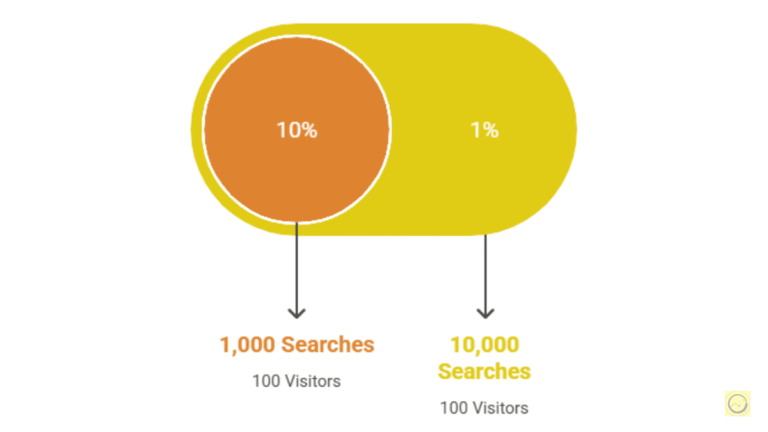
Getting 10,000 searches at 1% clicks gives 100 visitors. Instead, getting 1,000 searches at 10% clicks gives same 100 visitors from 90% less rank work. So win the click battle and search gets way easier.
What you build today keeps working and grows. While others struggle with schema, you already know it. Because of this, this gap turns into market share, money, and cheaper buyer costs they can’t match without huge spending. Start with schema. Then move to meta words. Next, work on page speed. Finally, watch everything in Search Console.
FAQs
AI Overviews and Shopping boxes take more room on phone screens. Because of this, they steal clicks from regular listings even at top spots. So focus on getting rich results through schema instead of only worrying about rank.
Most sites see rich results within 2 to 4 weeks after adding correct Product schema. After that, product page click through rate mobile improvements happen right away once Google gives upgrades.
Google checks if schema is correct, if page has good content, and if it matches what people search. Because incomplete schema, thin content, or wrong search want blocks rich results, make sure every product page has full schema, quality content, and targets shopping words.
Both help, but schema gives bigger improvements. So start with schema on all product pages first. Then fix meta words for pages not getting rich results. Using both together gets most mobile SERP appearance.
Slow pages look bad when people scan results fast. Even at position one, pages taking more than 3 seconds get less clicks than faster pages at same spot for ecommerce product page SEO mobile performance.
Name, image, price, availability, and aggregateRating form the essential foundation. These five properties enable basic rich results. Add review schema, FAQ schema, and detailed specifications for maximum enhancement opportunities.
Validation confirms syntax correctness, not eligibility. Google requires high quality content, legitimate reviews, competitive rankings, and appropriate query intent before awarding enhancements. Improve holistic page quality beyond schema accuracy.
Quarterly minimum, with additional updates for seasonal campaigns, major price changes, or product relaunches. Mobile descriptions especially benefit from regular freshening as competition and user behavior evolve.
Ignoring schema markup entirely while focusing only on meta tags. Schema delivers 3 to 5x larger CTR improvements than meta optimization alone. Implement comprehensive structured data before spending time perfecting meta descriptions.
Featured snippets matter less for transactional product queries than rich product results. Focus optimization efforts on Product schema rather than chasing featured snippets for commercial searches. Reserve featured snippet strategies for informational content.