When I look at new D2C brands entering 2026, most of them are doing Instagram “correctly” and still not growing. Content is clean, founders are active, products are solid, yet follower growth crawls and sales don’t move in proportion. This isn’t because Instagram is saturated. It’s because the rules that decide distribution have shifted, and most D2C teams are still playing by old assumptions.
I’m writing this from the experience after working closely with D2C founders, growth teams, and operators, watching what actually scales and what quietly dies. This is not about posting more, chasing trends, or copying creators. This is about understanding how Instagram now evaluates D2C accounts, and how some brands are using that to scale in months, not years.
First Reality Check: Instagram Does Not Grow D2C Brands, Buying Intent Does
Instagram doesn’t reward content. It rewards decision-making behavior.
A D2C brand grows when Instagram sees that people:
- pause because the content feels relevant to a buying decision
- rewatch because they’re processing information
- save because it might help them decide later
- share privately because it feels trustworthy
Likes and comments are surface noise. They barely influence second-level distribution anymore.
What matters is depth of interaction, especially from non-followers.
The D2C Instagram Formula That Actually Works Now
Every scaling D2C account I’ve studied follows the same underlying equation, whether they realize it or not:
Growth = (Decision Friction × Retention) ÷ Promotion
In simple terms:
- If your content reduces confusion before purchase
- And holds attention long enough for people to think
- You need less promotion, fewer ads, and fewer posts
Most brands do the opposite. They push promotion before friction is resolved.
Why Good Content Is Killing New D2C Brands
One of the biggest mistakes I see is brands creating content that looks “brand-safe”.
Product shots. Aesthetic Reels. Soft hooks. Polished language.
It looks professional, but it doesn’t slow the brain.
Instagram in 2026 prioritizes cognitive interruption, not beauty. Content must trigger one of these instantly:
- I didn’t think of it that way
- That’s exactly my problem
- Wait, is that actually true?
If your content doesn’t create that moment, Instagram reads it as replaceable.
What High-Performing D2C Content Actually Talks About
D2C buyers don’t follow brands for inspiration. They follow brands to reduce risk.
That’s why the fastest-growing D2C pages consistently publish content around:
- mistakes customers make before or after buying
- who the product is NOT meant for
- trade-offs the brand consciously chose
- comparisons people are already making silently
- usage scenarios that don’t show in ads
For example, one Indian personal-care D2C brand shifted from posting benefits to posting “3 reasons this product won’t work for you.” Within 90 days, their saves per Reel tripled and profile visits doubled, without increasing posting frequency.
Almost Nobody Tracks These Account Level Signals
Instagram now scores accounts over rolling windows. A single viral post doesn’t change anything if the surrounding content is weak.
The signals that matter most for D2C accounts are:
- Non-follower retention rate in the first 3 seconds
- Save velocity in the first 60 minutes
- Profile visit to follow ratio
- Follower churn within 48 hours
If followers come and leave quickly, Instagram downgrades future reach.
This is why some D2C pages grow to 20k and then stall permanently.
Smart Content Test By D2C Brands Before Scaling It
Most teams test formats. That’s a waste of time.
The real test is framing.
I’ve seen the same Reel idea perform 5x better just by changing how it’s positioned:
- framed as a warning vs framed as a tip
- framed as a mistake vs framed as a lesson
- framed as “what no one tells you” vs “what to do”
The structure stays the same. Only the thinking changes.
The metric to watch is not views. It’s:
- saves per 1,000 views
- profile visits per 1,000 views
- followers gained per post
Those numbers tell you if content is building a brand or just floating through feeds.
Indian D2C Brands That Scaled Rightly
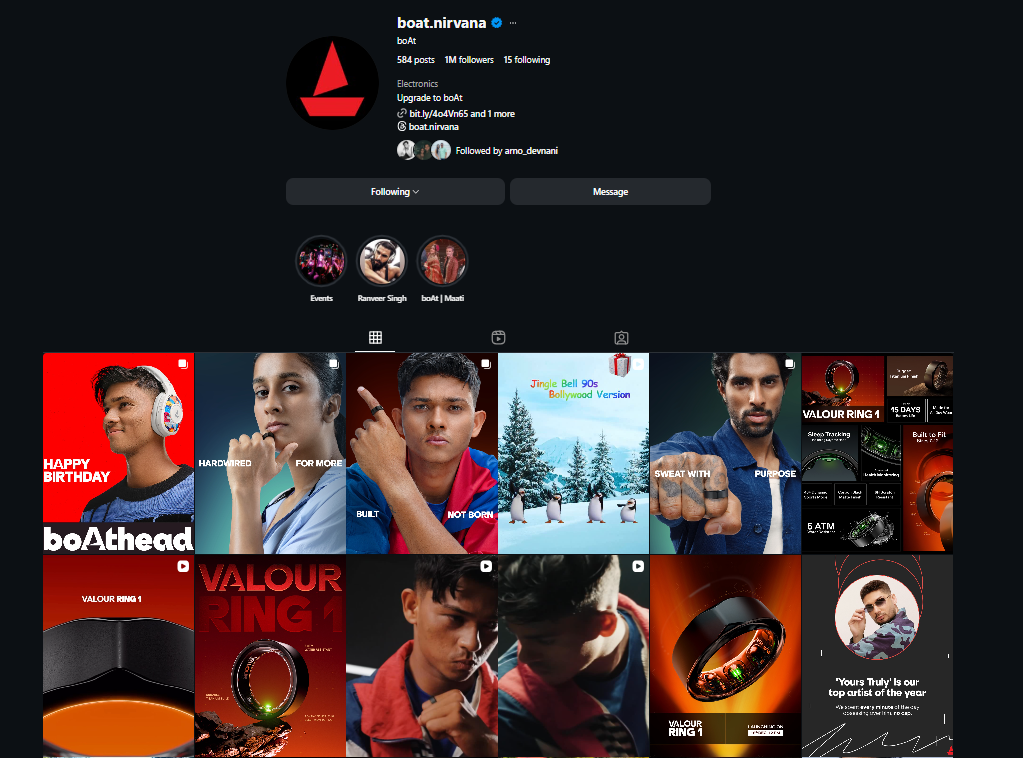
Take boAt in its early growth phase, they didn’t scale Instagram by pushing products daily. They focused on identity, community language, and usage culture. Content felt native to how their audience spoke and behaved, not how brands advertised.
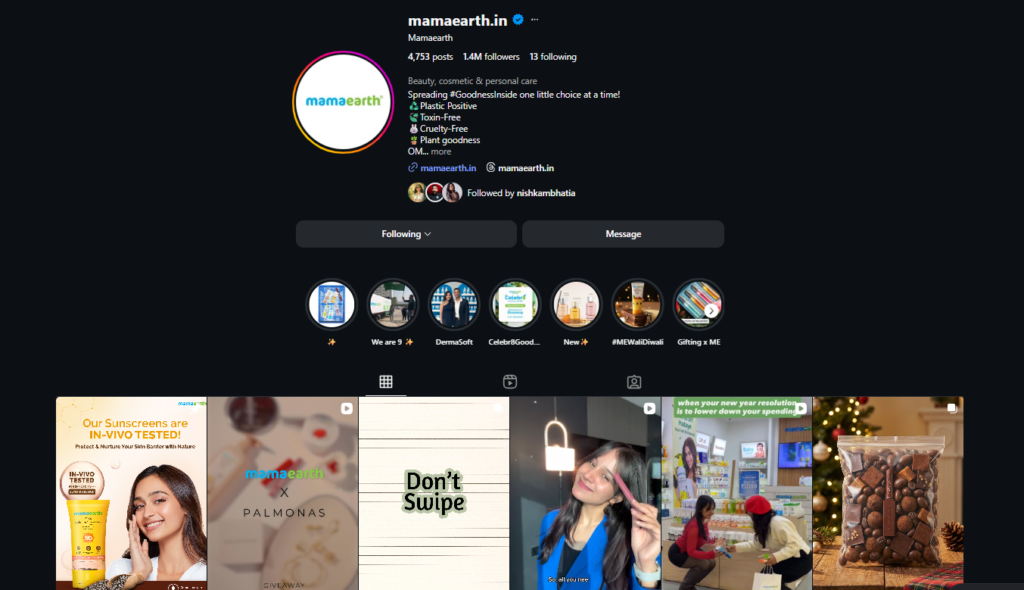
Another example is Mamaearth, their Instagram growth accelerated when content shifted from “what’s inside the product” to “why parents hesitate before choosing.” That hesitation-focused content built trust faster than ingredient posts ever did.
These brands didn’t post more. They posted with clearer intent.
Tools Serious D2C Teams Should Use (Not Growth Hacks)
- Viewstats – Used to analyze short-form content pacing, hook placement, and repeatability patterns across high-performing accounts. The value lies in understanding why content holds attention, not in vanity metrics.
- Shield Analytics – Focuses on Instagram Reels retention, rewatch behavior, and audience overlap. Useful for identifying which content actually builds followers rather than temporary reach.
- Modash Discovery (Organic Analysis Mode) – Commonly known for influencer research, but powerful when used to analyze organic creator growth patterns in D2C niches, especially content cadence and audience response timing.
Inflact Analyzer (Behavioral View) – When stripped of automation features, the analytics layer helps observe posting windows, engagement decay, and content lifespan patterns. - Obsidian for Manual Signal Logging – Manual logging of hooks, lengths, posting times, saves in the first hour, and follower gain per post reveals patterns no automated tool surfaces.
- Metricool – Helps identify real audience reaction windows, not generic “best times.
- SocialBlade – Useful for observing long-term growth curves without engagement bias.
Be Sure Perspective
Instagram growth for D2C brands in 2026 is not about creativity or volume. It’s about reducing buyer hesitation at scale. When your content consistently helps people think better before buying, Instagram does the distribution for you.
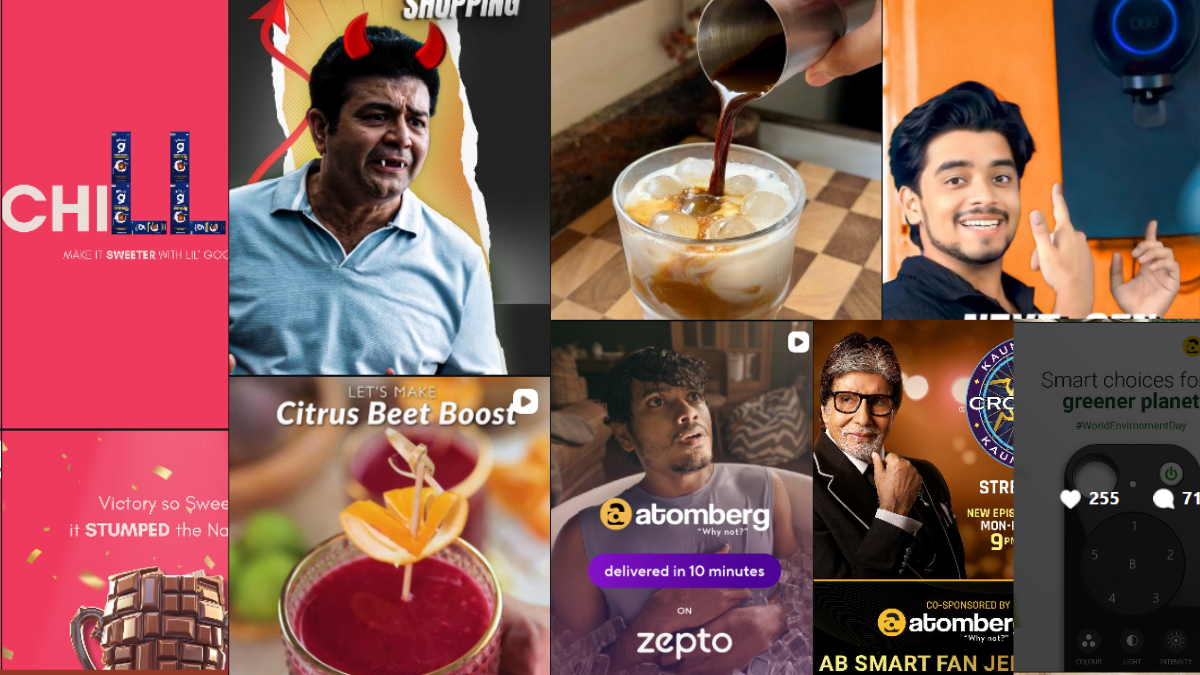
(Image Credit: Lil Goodness, Atomberg, boAt and Mamaearth)
FAQs
Most new D2C brands start seeing real Instagram traction within 30 to 45 days if their content reduces buyer confusion and triggers saves, replays, and profile visits. Growth does not mean virality early on. It shows up as steady follower additions, repeat viewers, and rising saves. If nothing improves after this window, the problem is usually content framing, not posting frequency.
No. Posting daily is not required for D2C growth. Instagram prioritizes content quality and signal consistency, not volume. Three to four well-designed posts per week that generate saves, replays, and profile visits perform better than daily posts that only generate likes.
The most important metric for D2C brands is saves and profile visits per post, not likes or comments. Saves indicate buying intent and future decision-making. Profile visits show that content created enough trust for users to learn more about the brand.
Founder presence is not mandatory, but it significantly speeds up trust. When founders explain decisions, mistakes, and trade-offs honestly, followers trust the brand faster. Many fast-scaling D2C pages combine brand content with occasional founder-led posts to shorten the credibility curve.
The biggest mistake is selling too early. When brands push offers before addressing buyer doubts, engagement drops and reach declines. Instagram reduces distribution when users disengage. Brands that focus first on education, usage clarity, and common mistakes convert better and grow more consistently.