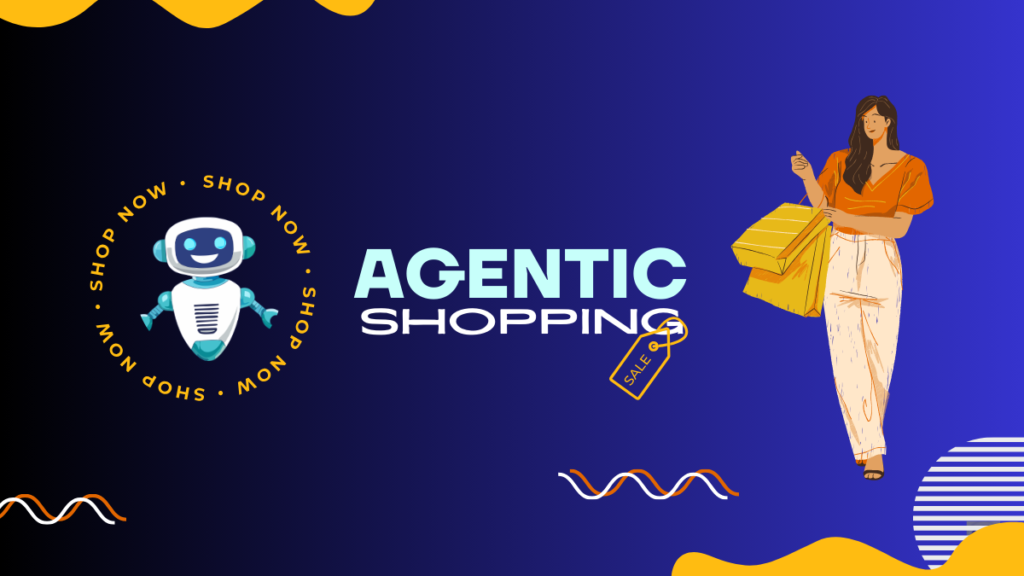
Agentic commerce means AI makes buying decisions for us. Instead of browsing stores ourselves, we tell an AI what we need. The AI searches multiple websites, compares options, checks prices, and completes the purchase.
You tell ChatGPT you need running shoes. It searches, compares prices, checks reviews, and buys them for you. You never visit a shoe store’s website. That’s agentic commerce. AI sits between you and brands, making choices based on what you want.
This isn’t coming. It’s here. About 23% of Americans bought something through AI last month. The way we shop changed overnight.
How AI Agents Actually Shop
Think of it like having a smart assistant who knows exactly what you like. You say “find me organic coffee under INR 1500.” The AI shopping agent searches multiple stores, filters options, and either shows you three choices or just completes the purchase.
You set the rules. The AI does the legwork.
The old way meant opening five browser tabs, comparing prices manually, reading reviews on different sites, then finally checking out. The new way? One conversation. Done. That’s the whole agent led buying experience.
Why Brands Are Losing Control
Here’s the hard truth for retailers. You spent months perfecting your product page. Beautiful photos. Compelling copy. Brand storytelling. AI agents ignore all of it. They scan your specifications, grab the price, check inventory, and move on.
Your carefully designed website becomes invisible. The emotional connection you tried building? Doesn’t reach customers anymore. AI purchase flow removes the human browsing experience entirely.
Walmart figured this out fast. They opened their entire catalog to ChatGPT. Now AI agents drive 20% of Walmart’s traffic. Amazon blocked AI integrations to protect direct relationships. Guess which strategy wins when people stop visiting websites?
What Actually Changed for Shoppers
Less browsing. More outcomes. We used to enjoy exploring products online, scrolling through options, discovering new brands. Conversational commerce killed that. Now you get exactly what you asked for with zero exploration.
It’s faster, sure. But we lost something too. Serendipity. Finding things we didn’t know we wanted. The algorithm optimizes for efficiency, not discovery. You save time. You miss surprises.
Here’s what hands free shopping feels like:
- Ask for what you need in plain language
- Get three filtered options instead of thirty confusing ones
- Buy without visiting any brand website
- Skip the whole research and compare phase
Efficient? Yes, Fun? Not really.
Why Product Data Became Everything
Marketing copy stopped mattering. Brand stories don’t reach AI agents. What matters now is structured data. Clean specifications. Accurate attributes. Real time inventory.
Your product title needs facts, not creativity. “Men’s Waterproof Hiking Boots Size 10 Brown” beats “Adventure Awaits Collection.” The first tells machines what it is. The second tries selling feelings to algorithms that don’t have feelings.
If your product data says “in stock” but you’re sold out, the AI gets bad info. It recommends unavailable items. Transactions fail. The smart shopping agents learn to avoid you. Recovery takes months.
The Trust Problem Nobody Talks About
When AI buys the wrong thing, who takes the blame? You do. The brand. Not the AI platform. Customer gets a damaged product? They email you. Wrong size arrives? You handle returns. Payment issues? Your problem.
Machine driven purchasing removes the safety net. Traditional shopping let you fix issues during checkout. Answer questions. Offer discounts. Clarify concerns. Automated checkout happens so fast, there’s no time to intervene. Everything must work perfectly first try.
And here’s the thing retail AI systems remember mistakes. Consistently late shipping? The algorithm stops recommending you. Bad product descriptions? The agent learns distrust. One mess up affects hundreds of future transactions.
What Smart Brands Do Differently
Stop optimizing for human eyes. Start optimizing for AI parsers. Check your product information right now. Is it accurate? Complete? Machine readable? Those questions determine your next year of sales.
The brands winning at AI assisted buying decisions focus on three things:
- Clean product data that updates in real time
- Direct partnerships with AI platforms like ChatGPT and Perplexity
- APIs that let agents access inventory and pricing instantly
Traditional SEO ranked pages. New SEO qualifies you for AI recommendations. Different game. Different rules.
Search Changed Completely
Keywords died. Intent matching took over. We used to optimize for “best coffee maker under INR 12000.” Now AI interprets “I need something reliable that doesn’t take up counter space and costs less than INR 12000.” Way more specific. Way deeper matching.
Rankings became binary. You’re either in the AI’s top three recommendations or you’re invisible. No more fighting for position two versus position five. Agent based commerce shows curated options, not ranked lists.
Content strategies that worked last year fail now. Pages matter less. Structured data matters more. Schema markup beats blog posts.
What Doesn’t Change
Returns still go through you. Support remains your job. Product quality determines repeat business. AI commerce standards changed how customers find you, not how you run operations.
The relationship continues after purchase. Algorithms got them to try you once. Execution keeps them coming back. Bad service kills future sales even when AI recommended you perfectly.
What You Should Do This Week
Audit your top twenty products. Check every specification. Fix inaccuracies. Add missing attributes. Then ask ChatGPT to recommend items in your category. See if you show up. If you’re invisible now, you’ll be invisible tomorrow.
Start treating product data like your most important marketing asset. Because it is. Pretty websites won’t save poorly structured information when AI agents make buying decisions.
Build relationships with AI platforms directly. OpenAI. Google. Perplexity. These companies control access to shoppers now. Getting featured requires partnership, not just good products.
Where This Leaves Us
Agentic commerce doesn’t eliminate brands or buyers. It changes who controls the choice moment. Brands speaking directly to customers during decisions was normal for centuries. Storefronts, catalogs, websites, all assumed direct communication. Now algorithms filter first.
FAQs
No. We set goals and approve purchases. AI handles research and execution. We’re still in control, just delegating tasks.
Yes, through reviews, quality, and post purchase experience. The path to customers changed. The importance of reputation didn’t.
Better product data and specialized selection. If your specifications are cleaner than big competitors, AI agents recommend you.
Same security as regular online shopping. AI agents use standard payment processors like PayPal and Stripe.
No, but they become backend systems. Less browsing destination, more transaction completion point.
Building proprietary agents maintains direct customer relationships. Relying solely on third party platforms means losing control. The right strategy depends on resources, technical capability, and customer preferences.